
海事部门主动防御停关撤转应对台风“巴威”
Typhoon "Bavi" is gradually approaching the southeastern coast of China. At 9 a.m. on July 8, the Ministry of Transport initiated a Level 4 typhoon defense response, instructing relevant provincial transportation authorities and affiliated units to move forward, strengthen proactive defense measures, and take preemptive actions such as "stop, close, evacuate, and transfer."
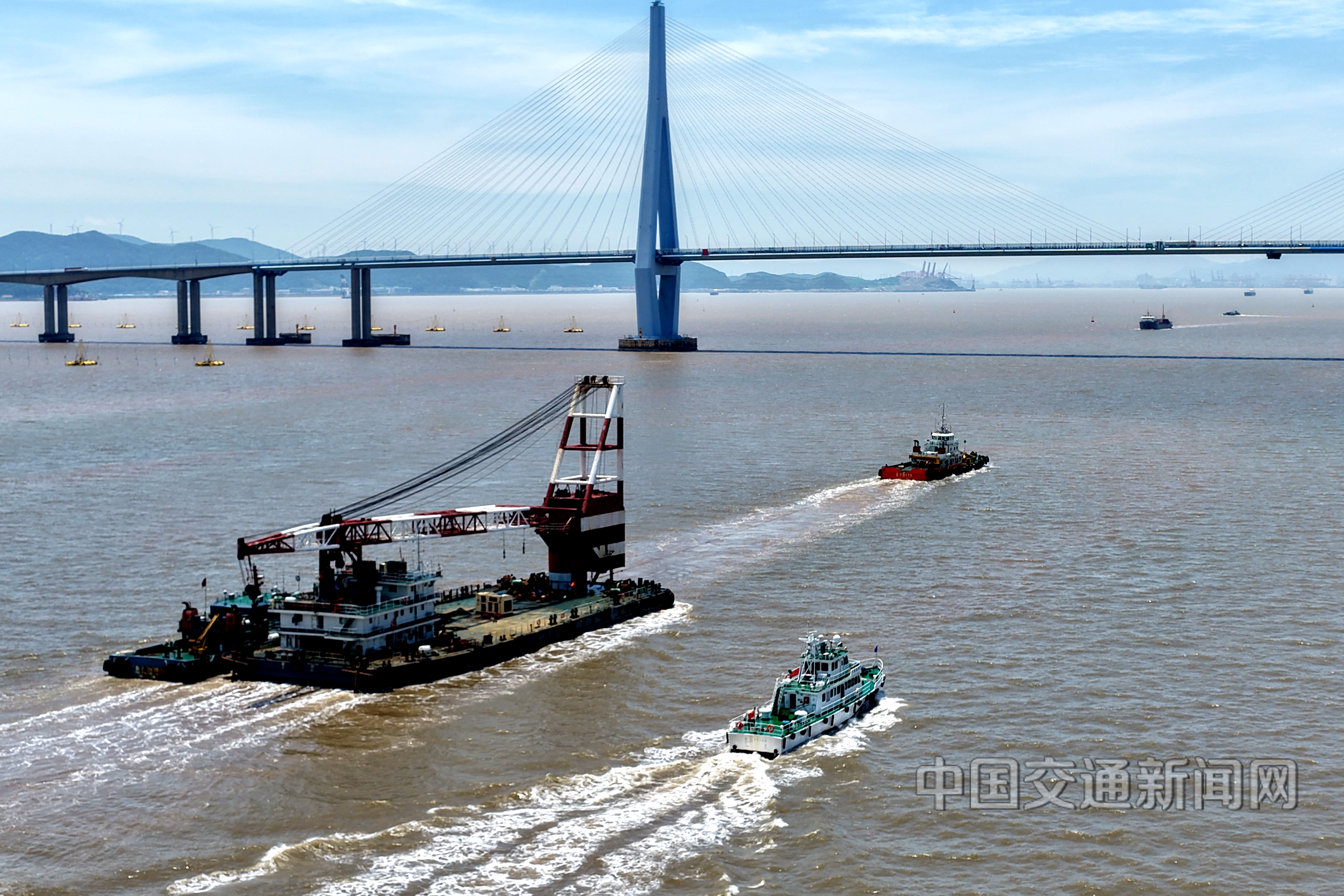
At 8 a.m. on the 8th, the Zhejiang Maritime Safety Administration initiated a Level 3 typhoon emergency response. All 205 coastal hydraulic projects in Zhejiang have been suspended, 546 construction vessels have been evacuated to safe waters to avoid the typhoon, and 52 passenger routes and 98 passenger ships have been urgently suspended. Over 3,000 people have been evacuated from remote islands such as Huaniao Island, Xiaoqushan Island, and Dachen Island. The maritime department has issued a total of 41,000 warning messages, inspected 8,700 vessels, and dynamically deployed 72 patrol boats, 8 high-powered tugboats, and 1 specialized rescue aircraft on standby to ensure rapid response to various emergencies.
The Zhejiang maritime department has required vessels to strengthen communication with shore, closely monitor typhoon developments, formulate reasonable navigation plans, and avoid typhoon-affected areas as early as possible. Coastal vessels should enhance watchkeeping, and anchored vessels in ports should strengthen navigation shifts, regularly check anchor positions, and inspect anchor chain stress conditions.
As of 12 p.m. on the 8th, 8 passenger ferry routes and 22 passenger ferries along the Fujian coast have been suspended, 110 under-construction hydraulic projects have been halted, and 275 construction vessels have been evacuated to safe waters. The Fujian Maritime Safety Administration has initiated a Level 3 typhoon emergency response, focusing on the sea area north of Quanzhou as a key defense area and strictly implementing the "ten checks" measures for typhoon defense.
Currently, the Fujian maritime department is continuously transmitting warning information to shipping companies, hydraulic project departments, and vessels in port. Through coastal radio stations and on-site inspections, they are providing "point-to-point" guidance for vessels to avoid typhoon-affected sea areas. They are focusing on reminding passing vessels in open seas, guiding them to take shelter in safe waters, actively conducting hazard inspections, and relocating and evacuating large vessels, hazardous material vessels, and offshore construction vessels. They are also organizing the suspension of passenger ferry routes, port terminals, and offshore construction projects as needed. Collaborative control measures are being strengthened to coordinate typhoon sheltering for vessels from neighboring provinces, dynamically dispatching and deploying maritime emergency forces to ensure precise defense arrangements.