
高纯钛锭: 航空航天和医疗的关键材料
High-purity titanium ingots refer to high-end titanium-based materials with a purity of 99.9% or higher, where impurities such as iron, oxygen, and nitrogen are strictly controlled at low levels. They feature high specific strength, corrosion resistance, high-temperature resistance, and excellent biocompatibility.
They excel in lightweight and structural stability and have been widely used in aerospace, high-end medical, new energy vehicles, and precision industries, becoming an important supporting material for the development of high-end manufacturing.
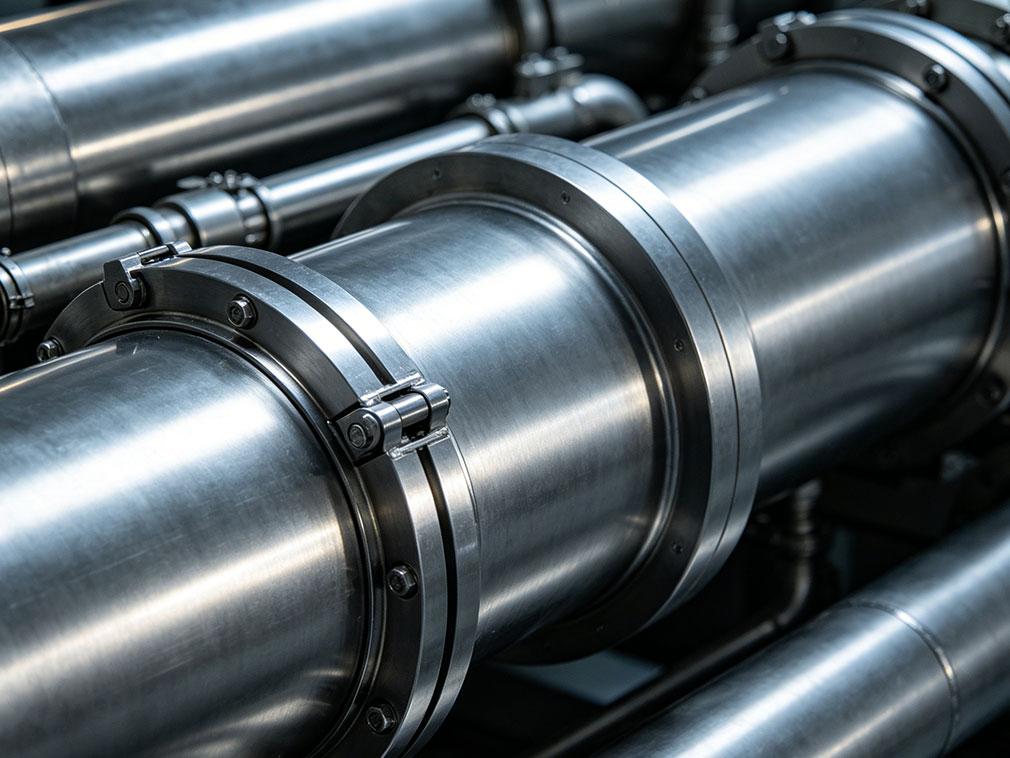
Performance Characteristics: Combination of Lightweight and High Stability
The density of titanium is about 60% of steel, and its specific strength is higher than aluminum alloys and stainless steel. Under the same strength requirements, using titanium to manufacture components can effectively reduce weight, thereby improving equipment operating efficiency and load capacity.
Due to low impurity content, high-purity titanium ingots reduce performance fluctuations that may occur in ordinary titanium materials. They have excellent acid and alkali corrosion resistance and high-temperature oxidation resistance, capable of long-term stable operation under complex conditions such as alternating high and low temperatures, high pressure, and high humidity. Their service life is superior to traditional metal materials. Additionally, their non-magnetic properties and low thermal expansion coefficient make them suitable for equipment with high precision requirements.
Aerospace: Key Application Field
Aerospace is one of the main application fields of high-purity titanium ingots. Aerospace equipment has high requirements for material strength, lightweight, high-temperature resistance, and fatigue resistance. High-purity titanium can be used to process load-bearing structures of the fuselage, wing connectors, turbine blades of aircraft engines, combustion chamber components, and other parts.
These components can withstand low temperatures at high altitudes, high-speed airflow impacts, and high-temperature and high-pressure environments inside engines, helping to reduce overall fuel consumption and extend service life by reducing weight.
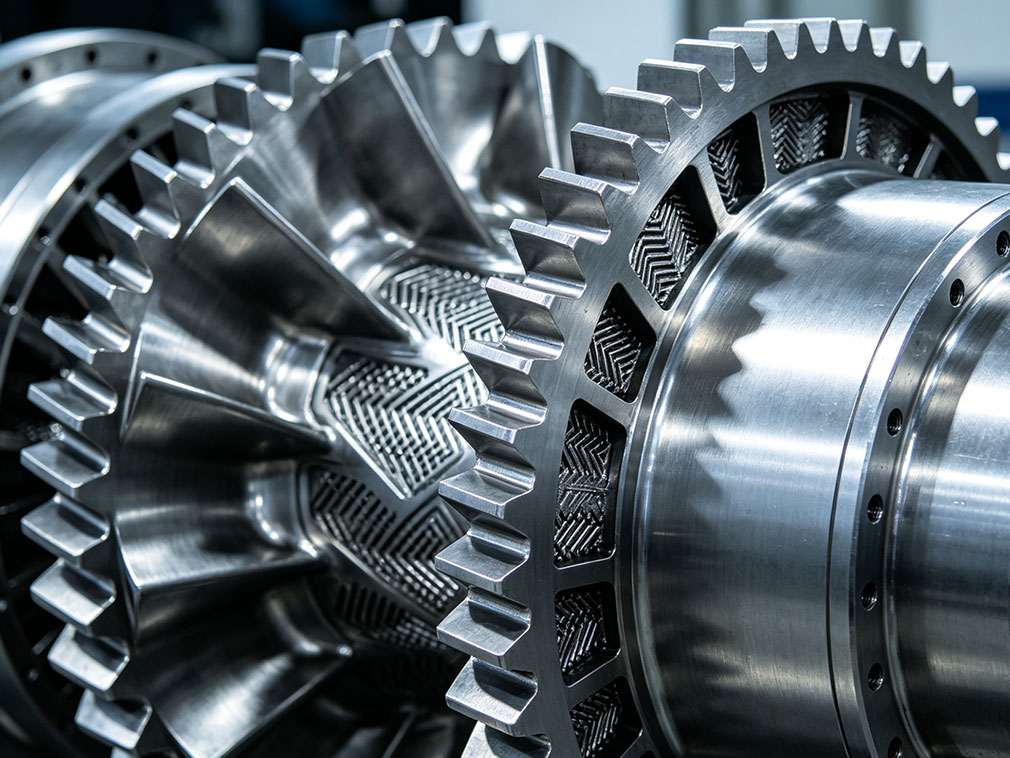
In the aerospace field, titanium materials are used in rocket fuel pipelines, spacecraft structural components, and precision satellite components, maintaining operational stability in the vacuum, strong radiation, and extreme temperature differences of space environments. In recent years, the large-scale production of domestically produced commercial aircraft and the continuous development of new aerospace equipment have driven stable demand for high-purity titanium ingots.
Medical Industry: Outstanding Biocompatibility Applications
Due to its excellent biocompatibility, high-purity titanium ingots have become a common material for medical implants. They are non-toxic and harmless, have good compatibility with human tissues, and are not prone to causing rejection reactions after implantation. At the same time, they also have strength and toughness that match the mechanical needs of the human body.
This material can be processed into artificial bones, joint prostheses, dental implants, orthopedic fixation devices, and precision components for minimally invasive medical procedures. Compared with traditional medical metals, titanium implants are more corrosion-resistant, lighter, and can meet the needs of long-term implantation in the human body, widely used in clinical scenarios such as orthopedics, dentistry, and surgery.
New Energy and Automotive: Material Substitution Under the Lightweight Trend
The development of the new energy and high-end automotive industries has expanded the application space of high-purity titanium ingots. Under the trend of lightweight and high-end development, high-purity titanium is gradually being used in automotive engine valves, connecting rods, exhaust system components, and precision body connectors, replacing some traditional steel and alloys.

Its lightweight characteristics help reduce vehicle weight, thereby improving range and handling performance; its high-temperature and corrosion resistance also make it suitable for the long-term high-load operation of engines, helping to enhance the durability of core components. In addition, the application proportion of high-purity titanium ingots in hydrogen fuel cell pipelines and precision electronic control components in new energy vehicles is also increasing.
At present, China's purification, forging, and processing technology for high-purity titanium ingots is becoming increasingly mature, and domestic substitution is steadily advancing.
Our platform connects hundreds of verified Chinese chemical suppliers with global buyers, promoting transparent transactions, creating better business opportunities, and high-value partnerships. Whether you are looking for bulk commodities, specialty chemicals, or customized procurement services, TDD-Global is your trusted choice.












