Zinc Stearate Lubricant: Chemical Properties, Applications, and Limitations
Zinc Stearate Lubricant: What It Is, How It Works, and Its Limitations
Most people in the plastics industry know zinc stearate as a fine white powder. But some details about it are often misrepresented, so let's clear those up first.
Basic Chemistry, No Frills
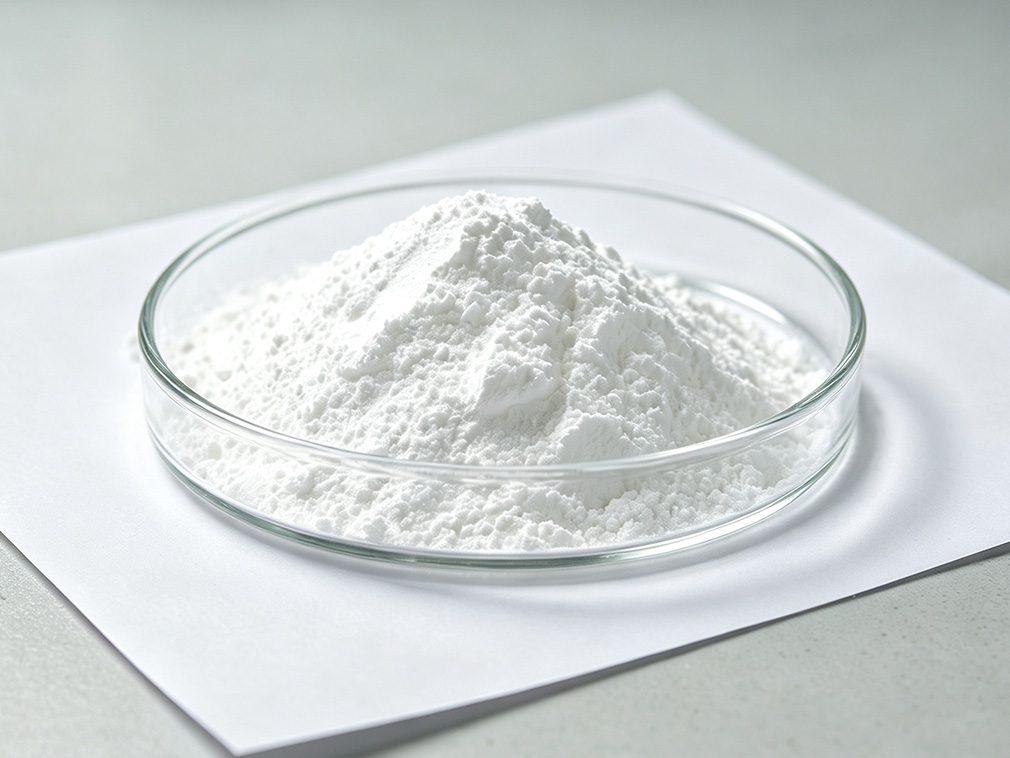
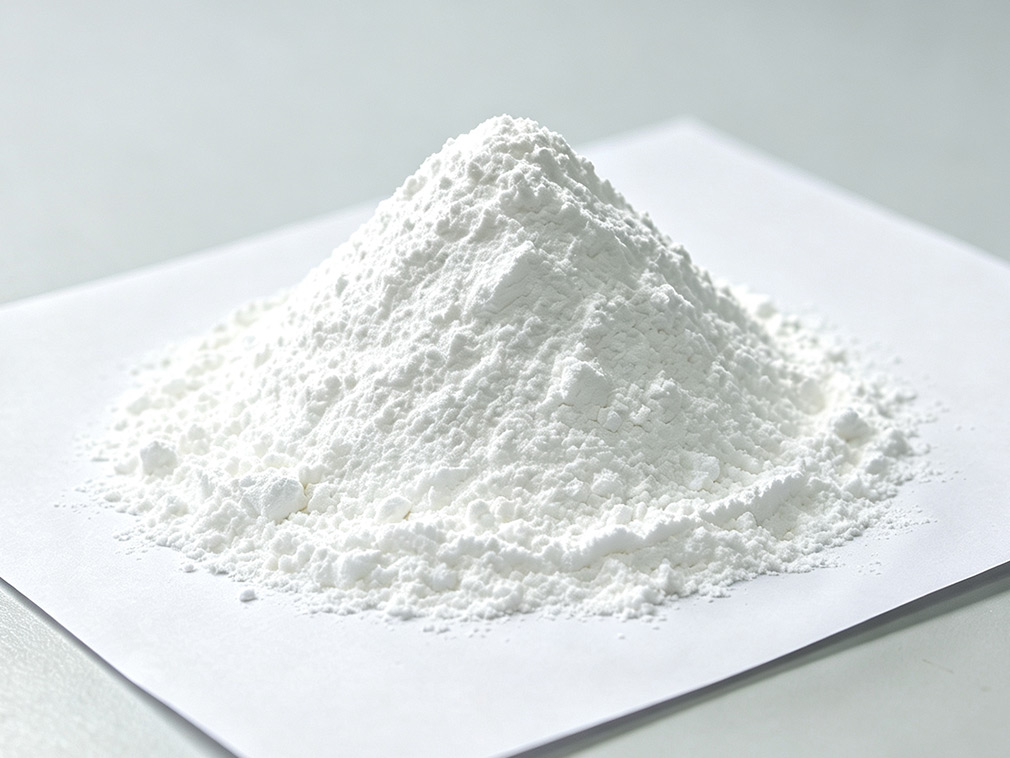
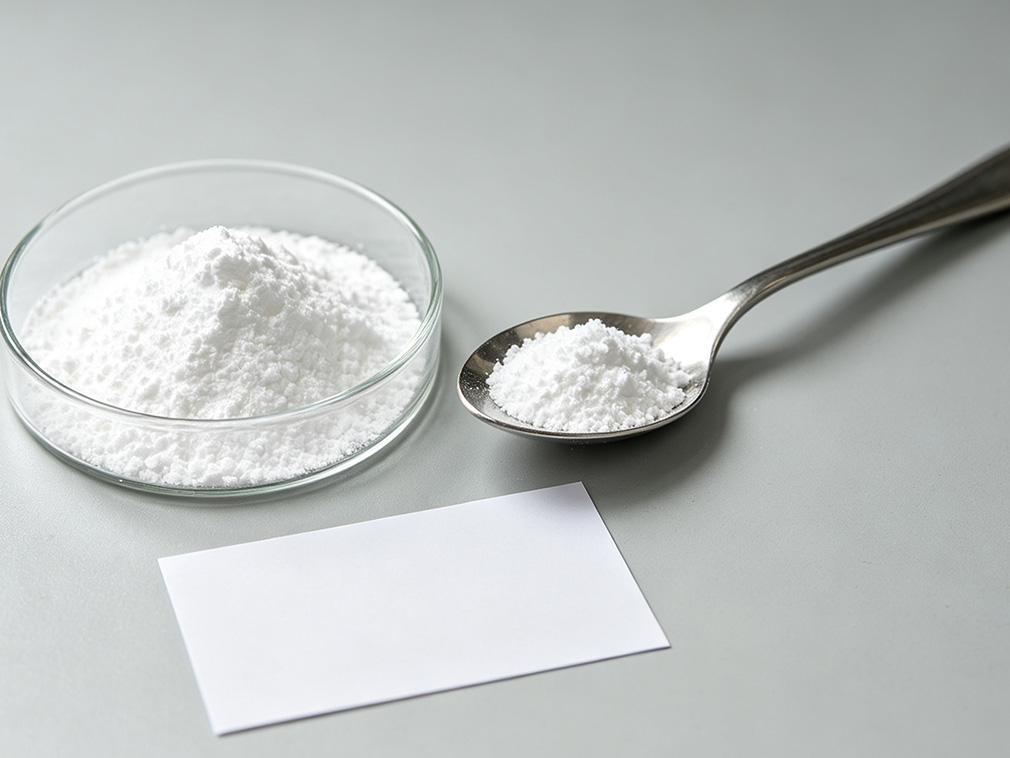
Zinc stearate is a metal soap—formed by the reaction of stearic acid with zinc. Its molecular formula is Zn(C₁₈H₃₅O₂)₂, with a molecular weight of 632.33. At room temperature, it is a soft white powder with a density of approximately 1.095 g/cm³.
Solubility: It is insoluble in water, ethanol, or ether. That's it. Sometimes you'll see claims that it is "soluble in hot ethanol," but this is incorrect—Merck Index (14th edition) and Sigma-Aldrich product pages both list it as insoluble in alcohols. It is soluble in benzene. When treated with acids, it decomposes into stearic acid and the corresponding zinc salt.
Melting point is also a source of confusion. Pure zinc stearate has a melting point of 128–130 °C (Sigma-Aldrich, literature). The industrial-grade product you might buy contains some palmitates (C₁₆) and other chain-length homologs, so its typical melting range is 118–125 °C. This is normal. Just understand what your spec sheet refers to.
How It Actually Lubricates
Zinc stearate acts as an external lubricant. The reason is simple: its long-chain C18 hydrocarbon chains are hydrophobic and have almost no compatibility with polar polymers like PVC. Once the material is heated during processing, the molecules migrate to the melt surface, forming a thin, slippery film between the polymer and the metal barrel, screw, or mold. Friction is reduced. Adhesion to molds and screws is also reduced.
It is rarely used alone. In PVC, zinc stearate is almost always used together with calcium stearate as part of a Ca-Zn stabilizer combination. A Ca:Zn ratio of 3:1 is a reliable starting point—well-tested for thermal stability and plasticizing behavior—but you still need to adjust depending on extrusion vs. injection molding or whether you're producing clear grades.
This synergy is not complicated. Zinc stearate intervenes early, replacing active chlorine atoms on the PVC backbone with more stable zinc-chlorine bonds. This addresses initial color-hold issues. Calcium stearate maintains long-term stability by scavenging HCl released during degradation. One handles early stabilization, the other handles long-term stabilization.
When the Temperature Rises
Zinc stearate's melting range of 120–130 °C is no problem in standard polymer processing. However, when temperatures exceed 150 °C, it begins to decompose. You get stearic acid, zinc oxide, and often a color change. Lubrication performance also declines.
Flash point: 277 °C (open cup). Autoignition point? Here's where you need to pay attention. NFPA's Fire Protection Guide lists it at about 420 °C. ChemicalBook and some Sigma-Aldrich SDS documents list it at about 790 °C. That's a huge gap. Whenever you see such a wide discrepancy in values, the only wise course of action is to check the SDS provided with your actual batch of product.
If your process temperatures exceed 160 °C—e.g., for PA6, PC, or other engineering thermoplastics—zinc stearate may not be the best choice. The preferred alternative is EBS (ethylene bis-stearamide). This material remains thermally stable above 250 °C.
Its Application Areas
Applications are expanding rapidly:
-
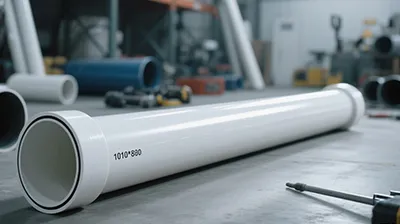
Plastics: Used as a lubricant and synergistic stabilizer in rigid PVC (pipes, profiles); improves flow and anti-stick properties in PE and PP; acts as an internal mold release agent and flow aid in ABS, PS, phenolic resins, and BMC/SMC.
-
Rubber: Softener and anti-tack agent, making compounds easier to mix and preventing uncured sheets from sticking; also acts as an activator and helps disperse fillers during vulcanization.
-
Coatings: Provides matting, anti-settling, improved feel, and pigment suspension; prevents caking in powder coatings.
-
Personal Care and Pharmaceuticals: Anti-caking agent and texture modifier in cosmetics; tablet press lubricant to prevent sticking.
Notable Safety Considerations
Low oral toxicity—LD₅₀ (rat) greater than 10 g/kg. But this doesn't mean dust control can be ignored. Fine powders mean inhalation is the real hazard.
GHS classifications are not entirely consistent across regions. According to ECHA's notification list (based on 2,108 notifications), it is classified as H335 (respiratory irritation), H400 (acute aquatic toxicity category 1), and H413 (chronic aquatic toxicity category 4). Sigma-Aldrich's own SDS lists H319 (eye irritation) and H410 (acute + chronic aquatic toxicity category 1). Both are official, neither is "wrong." Use the SDS provided with your product, not the version you find online.
Occupational exposure limits—keep these figures in mind:
-
ACGIH TLV-TWA: Total dust 10 mg/m³, respirable fraction 3 mg/m³
-
OSHA PEL-TWA: Total dust 15 mg/m³, respirable fraction 5 mg/m³
-
NIOSH REL-TWA: Total dust 10 mg/m³, respirable fraction 5 mg/m³
One more thing: dust explosions. Fine powders have a minimum explosive concentration in air of about 20 vol%. If you're handling it in enclosed or semi-enclosed systems, dust collection and explosion-proof measures are essential.
From an environmental perspective, zinc stearate is lead-free and cadmium-free. It complies with RoHS and REACH standards, which is why it has become the standard replacement for lead-based and cadmium-based stabilizers in sensitive applications like food-contact materials, medical plastics, and children's toys. When handling, wear N95-grade dust masks, safety goggles, and gloves. Nothing special, just follow good industrial hygiene practices.
Our platform connects hundreds of verified Chinese chemical suppliers with global buyers, facilitating transparent transactions, creating better business opportunities, and building high-value partnerships. Whether you're looking for bulk commodities, specialty chemicals, or custom sourcing services, TDD-Global is your trusted choice.