
聚氯乙烯(PVC)树脂性能综合指南
Polyvinyl chloride (PVC) resin is a thermoplastic polymer produced by free radical polymerization of vinyl chloride monomer (VCM) under the action of an initiator. Its chemical formula is —[CH₂—CHCl]ₙ—, and its CAS number is 9002-86-2.
PVC is the third largest synthetic plastic polymer by production volume globally (after polyethylene and polypropylene), with an annual global production capacity of approximately 58 million tons, of which pure resin (primary form) accounts for about 40 million tons annually (IndexBox, 2024). Industrially produced PVC typically has a molecular weight of 50,000 to 120,000, exhibits an amorphous structure, and has a low degree of branching.
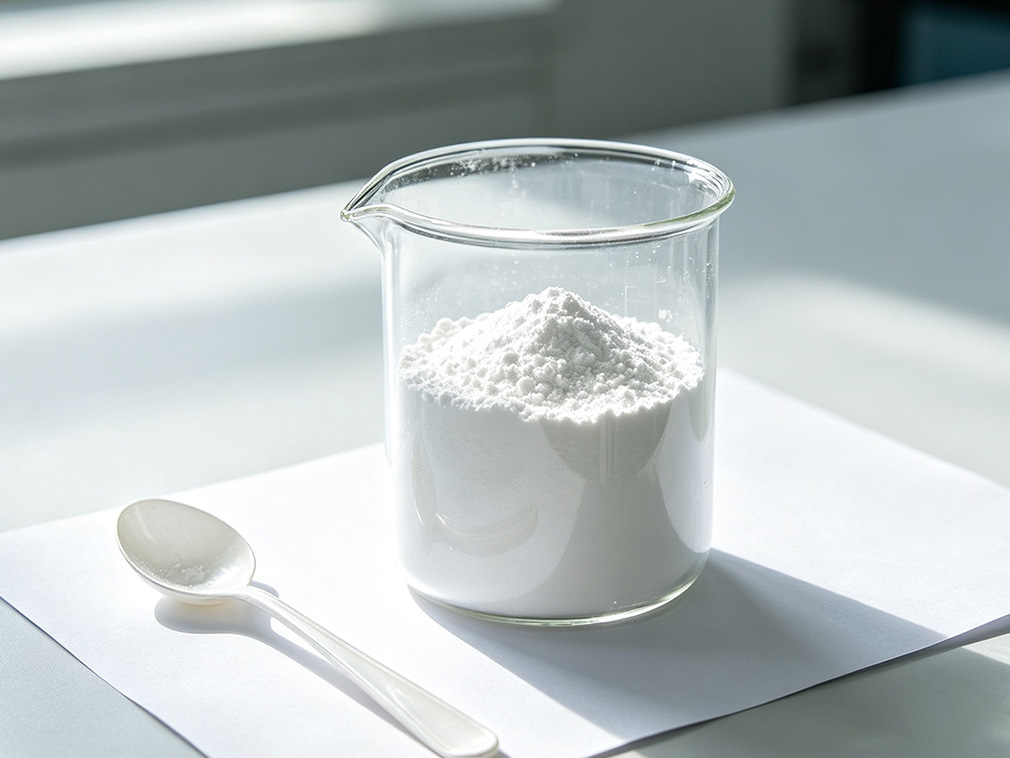
Solubility and chemical resistance: PVC has poor solubility and is insoluble in water, ethanol, gasoline, and vinyl chloride monomer; it dissolves only in a few specific polar organic solvents, such as cyclohexanone, tetrahydrofuran (THF), dichloroethane, and dimethylformamide (DMF). It can also dissolve in mixed solvent systems, such as acetone-carbon disulfide or acetone-benzene (used for chlorofiber spinning).
PVC is insoluble in hydrochloric acid, ether, or alcohol—on the contrary, it exhibits excellent corrosion resistance to acids, bases, and salts such as hydrochloric acid (any concentration), sulfuric acid (below 90%), nitric acid (below 50–60%), and sodium hydroxide (below 20%) at room temperature. Its chemical stability decreases as the operating temperature increases.
Flame retardancy: PVC contains about 56.8% chlorine in its molecular chain (Cl atomic weight 35.5 / chain segment molecular weight 62.5), giving it natural flame retardant and self-extinguishing properties. Its limiting oxygen index (LOI) can exceed 40, and it self-extinguishes after leaving the flame without the need for additional flame retardants.
Electrical insulation: PVC has excellent dielectric properties, high volume resistivity, and a dielectric constant of about 3.0–4.0, making it an excellent low-voltage electrical insulation material widely used in the insulation layers and sheaths of wires and cables.
Mechanical properties: The tensile strength of rigid PVC is about 60 MPa, and its impact strength is 5–10 kJ/m². It has high hardness but is brittle. Toughness can be significantly improved by adding impact modifiers such as CPE and acrylic-based ACR.
Polymerization Process and Raw Material Routes
There are three main polymerization processes for industrial PVC production:
Suspension polymerization (SPVC): This is the most important process, accounting for about 80% of global PVC production. VCM is suspended and dispersed in an aqueous medium in the form of droplets (particle size 50–250 μm).
Polymerization is initiated by oil-soluble initiators (organic peroxides or azo compounds) at a polymerization temperature of 45–65°C. The degree of polymerization (600–1600) is mainly determined by the reaction temperature, and the polymerization rate is adjusted by the amount of initiator. Dispersants (such as polyvinyl alcohol and hydroxypropyl methylcellulose) control the morphology of resin particles.
Emulsion polymerization (EPVC/paste resin): Accounts for about 10% of production, with fine particle size and large surface area, suitable for paste resin applications such as artificial leather coatings, dipped gloves, and toys.
Bulk polymerization: Solvent-free and water-free, with high product purity but lower production output.
There are two main raw material routes for VCM monomer preparation:
|
Route |
Raw Materials |
Process Characteristics |
Main Application Areas |
|
Ethylene oxychlorination process |
Petroleum → Ethylene → EDC → VCM |
High chlorine utilization, low waste, high investment |
Mainstream globally (Europe, USA, Japan, South Korea) |
|
Calcium carbide acetylene process |
Coal → Calcium carbide → Acetylene → VCM |
Simple process, low investment, but high energy consumption, involves mercury catalysts |
Dominant method in China (abundant coal resources, scarce petroleum resources) |
Our platform connects hundreds of verified Chinese chemical suppliers with global buyers, promoting transparent transactions, better business opportunities, and high-value partnerships. Whether you are looking for bulk commodities, specialty chemicals, or customized procurement services, TDD-Global is your trusted choice.












